

NEWS
New Works

People Over Petro, The Partnership for Inclusive Disaster Strategies, The Center for Oil and Gas Organizing, and Break Free From Plastic recently released “Why We Prep: An Enabled Guide to Disaster Response.” The guide includes free and printable flyers for accessibility planning before, during, and after a disaster.

At the Medina Triennial outside Rochester, NY taking place until September 7, 2026, a photographic tableau by artist Evelyne Leblanc-Roberge is installed at the boundary of the Medina Memorial Hospital. All the hours began over a decade ago as part of the artist’s research on waiting and waiting rooms.
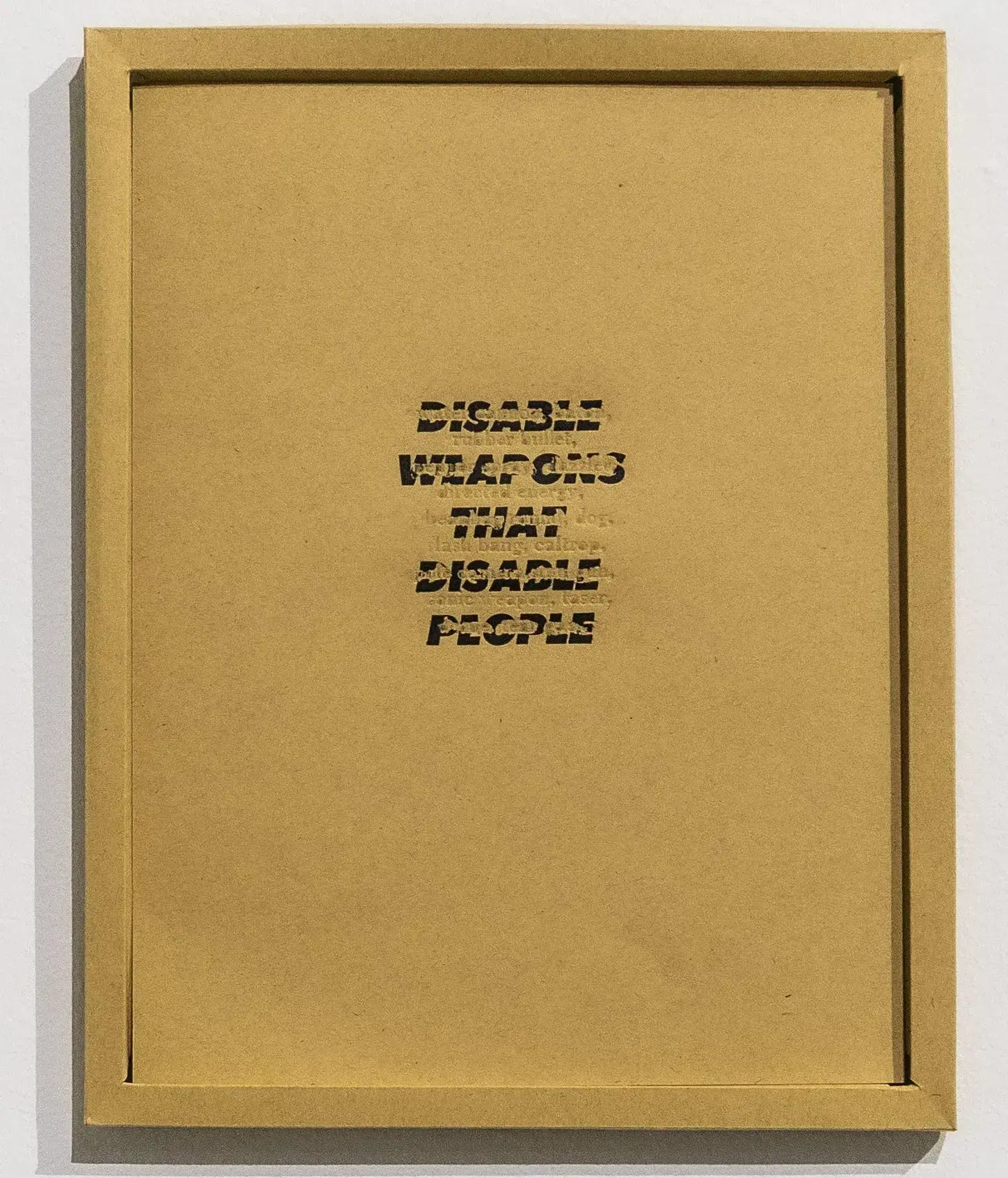
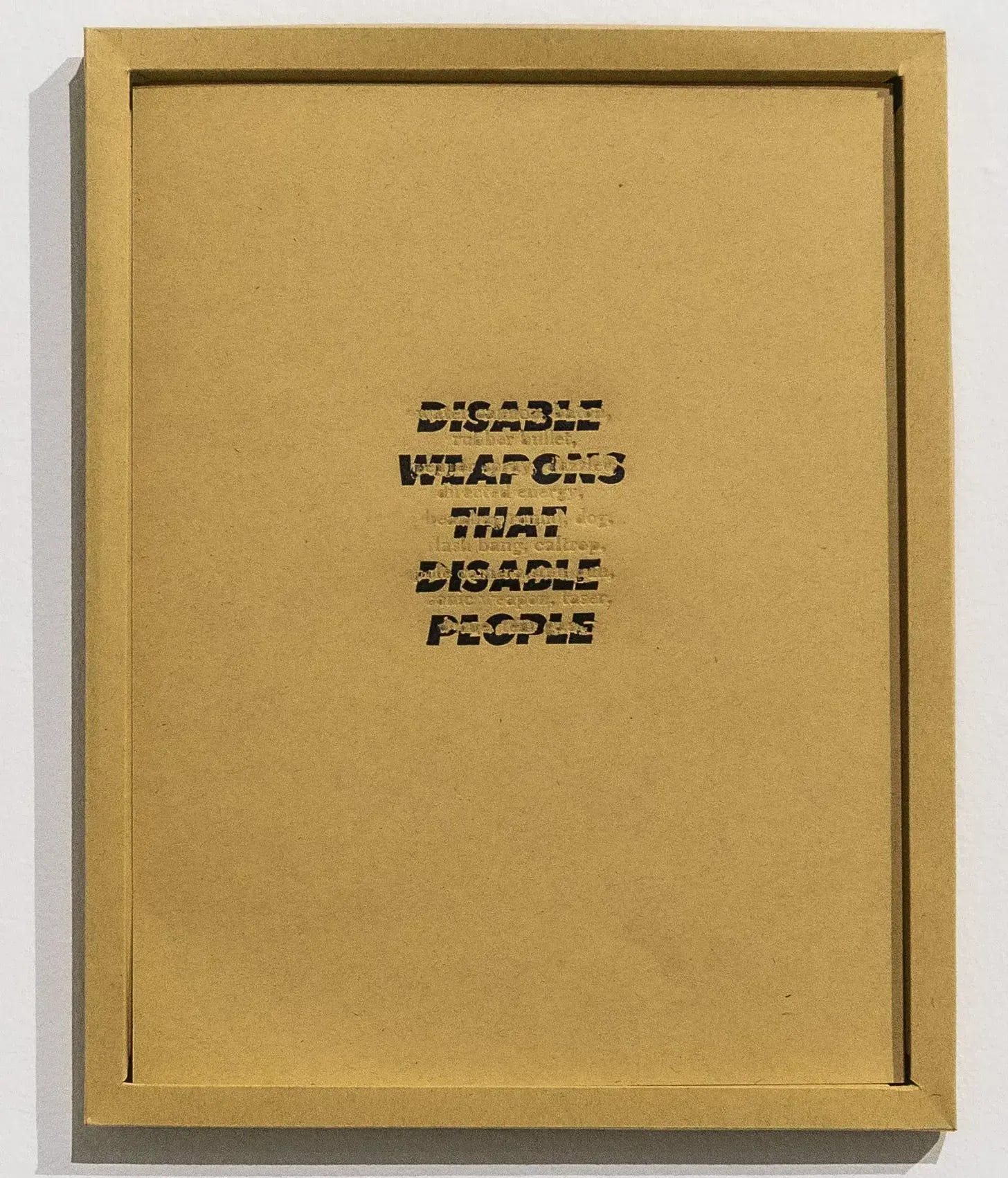
Chloe Pascal Crawford, Disable Weapons (2025) Voices Embodied: Prognostication, curated by Alex Stark, is up at the Design Museum of Chicago through January 18, 2027. The exhibition features 38 artists who “were encouraged to reimagine what is possible by reassessing the relationship between design and accessibility, and through the exploration of how art and design can be access points to culture and discourse.”
Disabled Women Make History (and Art), an annual collaborative exhibition presented by the Toledo Museum of Art and Disability EmpowHer Network, closes this week. This year’s show honors the legacy of Lois Curtis and Elaine Wilson, “two disabled women whose advocacy led to Olmstead v. L.C., the landmark Supreme Court decision that, 27 years ago, affirmed disabled Americans' right to live in the community rather than institutions.”
“Disability Justice”
Every so often, I report on some of the corners of the internet where I notice this term is appearing. Here’s some of what’s new:

Celebrating 20 years of Sins Invalid, the disability justice-based movement building and performance project recently released the 10 Principles of Disability Justice in Plain Language. The new document adds to the ASL version, a symbols slide deck, and the original.
In February, access worker and organizer Katrina Schaffer published “Giving Bigger, Organizing More Boldly: Centering Disability Justice” in Nonprofit Quarterly’s “Money in Movements: The Role of Donor Organizing” series. In it, they discuss spending down their $25 million inheritance and “organizing wealth for the long haul.”
In March, researcher Iman Hadya Niazi Khan wrote about about how “Intersectional Disability Justice needs to centre Islamophobia” for Disability Rights UK’s Disability and Colonialism Blog Series.
Researchers from the US and Spain recently published “Disability Justice in Human-Robot Interaction: Reflections on Paternalism, Autonomy, and Care for More Equitable Futures.”
Journalist Sarah Kim recently revisited her 2022 article for Next Avenue called “Disability Justice and Elder Activism: Two Sides of the Same Coin.”
Portland, Oregon’s Metro Council recently announced a $100,000 grant to a project on “Food Sovereignty Practices Through a Disability Justice Lens” organized by The Uprise Collective, Northwest Indigenous Food Sovereignty Alliance, NIFSA, and Upstream Access.
Also in Portland, the Somali Empowerment Circle’s Disability Inclusion & Accessibility program “aims to empower Somali families to understand disability justice within the context of their cultural/religious values.”
CALLS

The National Research Center for Parents with Disabilities at Brandeis University is facing an existential crisis after losing key federal funding. We can help get loud and donate directly to prevent the organization from closing at the end of August.
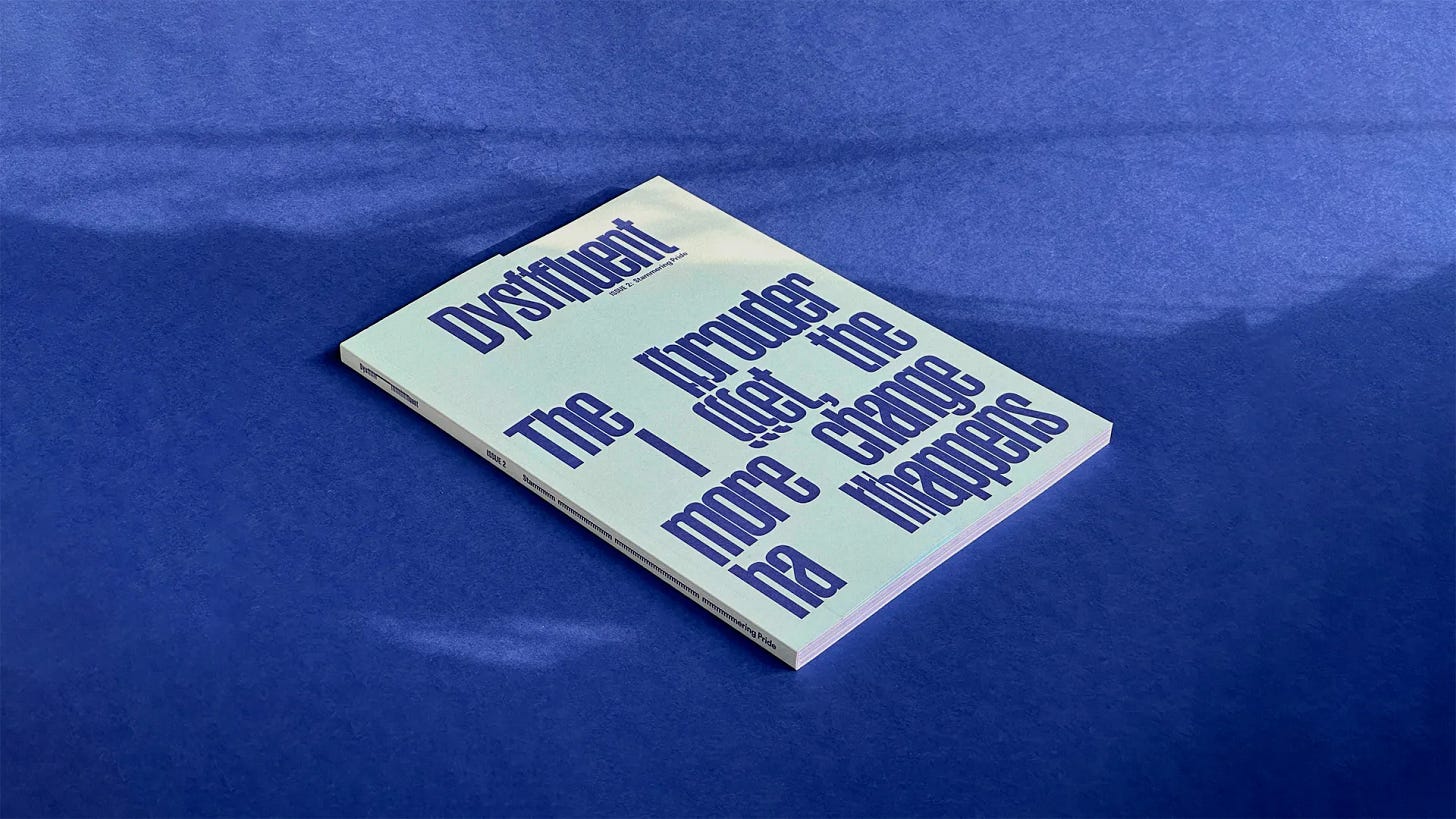
Dysfluent, an independent magazine that “explores the lived experience of stammering facilitating contrasting and challenging views,” has an open call for submissions for its third issue. Submit by August 7.
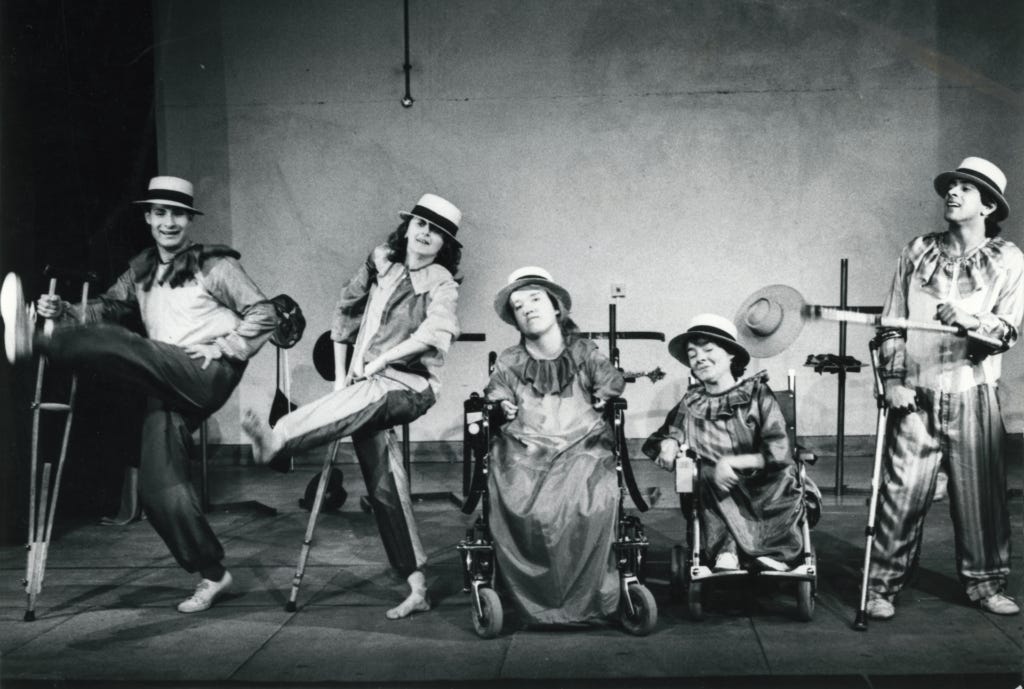
Graeae Theatre Company. UK-based Disability Arts Online has a call out for contributions to “Cripping Culture: A Journey into Disability Arts Heritage.” The project aims to “research and reveal the achievements of the disabled artists and activists who put disability rights on the map, from the late 1970s onwards.”
Disability Rights New York is seeking public comment as it creates subject matter priorities for its programs in the year ahead. Submit by August 24.


EVENTS

Disability Culture Cabaret 2026
Friday, July 31, 6 - 9pm ET, in-person in Washington DC and livestreamed
Join the Disability Culture Lab for a night of incredible Queer and Disabled joy, featuring drag, burlesque, music, art, and more. We’ll build community, experience joy as resistance, and enjoy the show as an act of collective care. Disability Culture Cabaret is an accessible, affirming space that embodies the principle that joy is political and pleasure is protest. RSVP now and help us celebrate Disability Futures Month!